Massage therapy is one of the most accessible and effective complementary treatments you can provide for a dog with arthritis. Regular massage improves circulation to affected joints, reduces muscle tension that builds up around painful areas, and releases endorphins that provide natural pain relief.
Before You Begin
Choose a time when your dog is calm and relaxed, ideally after a gentle walk when muscles are warm. Have your dog lie on a comfortable, padded surface. Keep sessions short initially (5-10 minutes) and gradually extend as your dog becomes accustomed to the routine.
Step 1: Gentle Warming Strokes
Begin with long, slow strokes (effleurage) along your dog's body, moving in the direction of hair growth. Use the flat of your hand with light to moderate pressure. This warms the tissues and helps your dog relax. Spend 2-3 minutes on this initial phase, covering the back, shoulders, and hindquarters.
Step 2: Work the Muscles Around Affected Joints
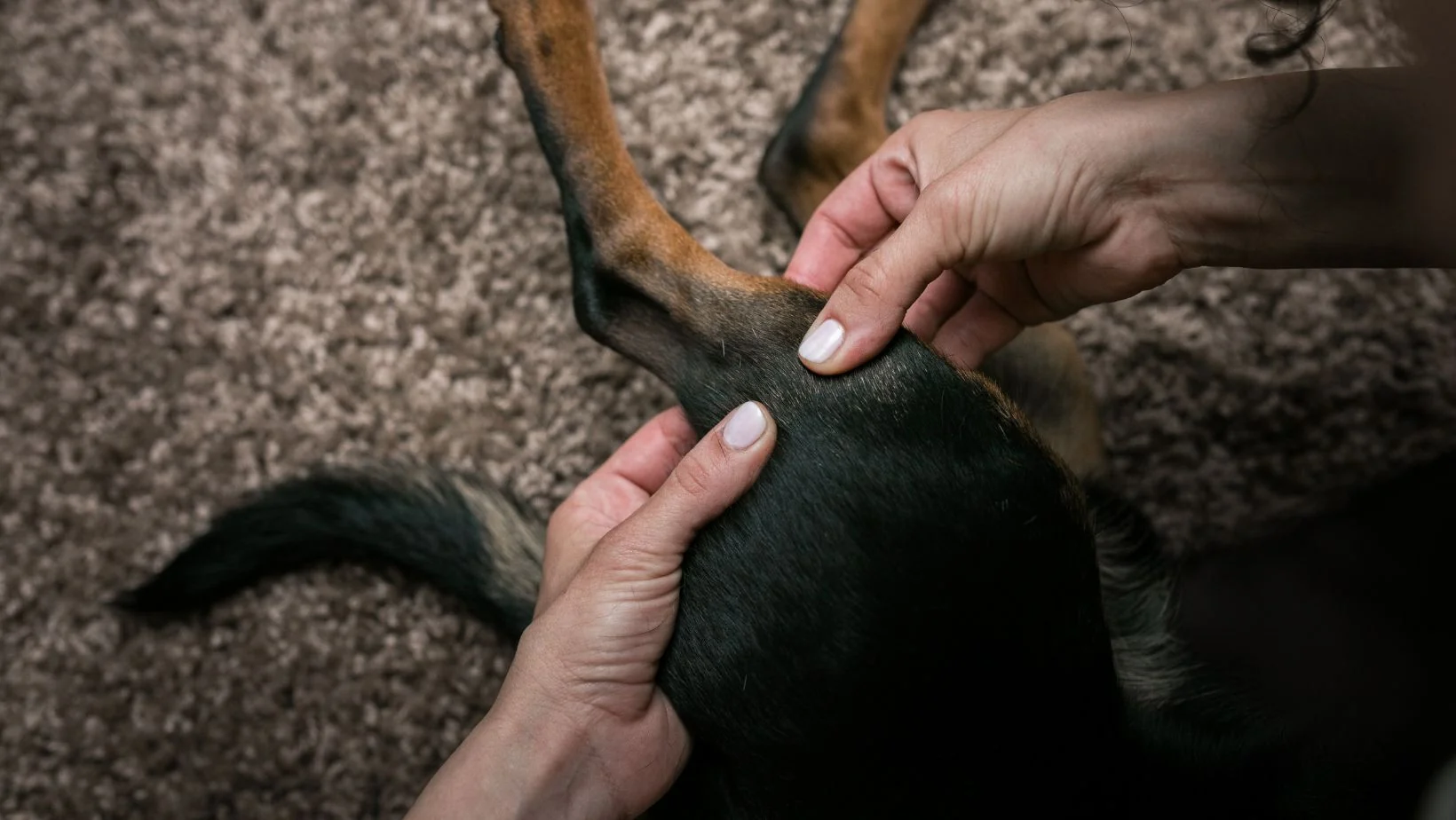
Using your fingertips, apply gentle circular pressure to the muscles surrounding the arthritic joint. Important: massage the muscles around the joint, not directly on the joint itself. For hip arthritis, focus on the gluteal muscles and thigh. For shoulder arthritis, work the muscles of the upper foreleg and shoulder blade area.
Step 3: Passive Range of Motion
Gently flex and extend the affected limb through its comfortable range of motion. Support the limb above and below the joint. Move slowly and never force the joint beyond what your dog allows willingly. This helps maintain flexibility and distributes synovial fluid within the joint capsule.
Step 4: Compression and Release
Using the palm of your hand, apply gentle compression to the large muscle groups of the affected leg, hold for 3-5 seconds, then release. This pumping action improves blood flow and lymphatic drainage. Repeat 5-6 times per muscle group.
Step 5: Finishing Strokes
End the session with the same long, gentle strokes you began with. This calms the nervous system and signals the end of the massage. Many dogs will be noticeably more relaxed after the session.
Signs to Stop
If your dog tenses up, pulls away, whimpers, growls, or tries to bite, stop immediately. Pain responses indicate you are either applying too much pressure or working an area that is acutely inflamed. Wait a day and try again with lighter pressure.
Frequency
Start with 2-3 sessions per week. Many owners find daily massage becomes part of their routine, particularly in the morning when arthritic stiffness is worst. Consistency matters more than duration.
Maximising Results
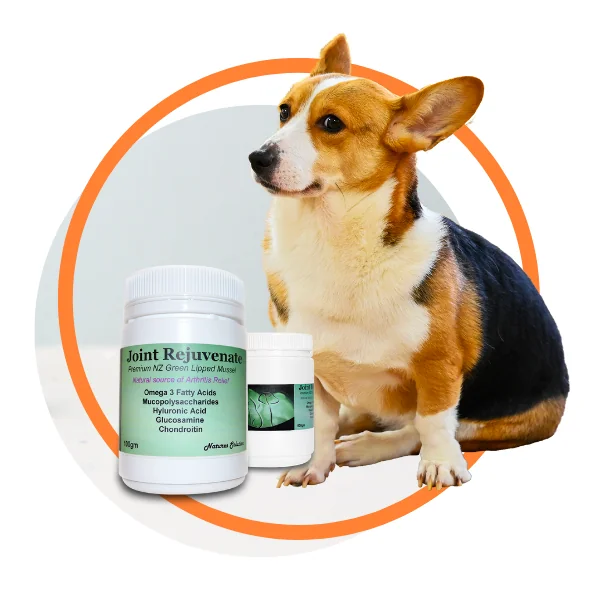
Massage works best as part of a comprehensive approach. Daily Joint Rejuvenate supplementation reduces the underlying inflammation that causes pain and stiffness, while massage addresses the muscular compensation patterns that develop around arthritic joints. Together, they provide both systemic and localised relief for your dog.